The world has different kinds of organisms, and some of those organisms might end up harming mankind to great extents. Just like the novel virus, COVID-19. CDC has confirmed the death of a second person due to a rare bacterial infection. What’s more surprising is the fact that out of all the four people infected, none of them had traveled outside of the continental U.S. The Centres for Disease Control and Prevention released a statement on Monday and confirmed a second death due to Melioidosis.
While carrying out Genomic analysis, the CDC came to know that the new case that came up in late July in Georgia closely matched the bacterial strains in the other three reported cases from Kansas, Texas, and Minnesota. This potentially-fatal illness is usually found in tropical regions. Because of the recent cases, CDC has requested that clinicians keep Melioidosis in their minds in case of another potential diagnosis.
Pixabay/Pexels | The CDC is looking at all possible diagnoses
The Cases
The 4 cases that have been reported yet are in adults and children; two females and two males. CDC also stated that one patient, which was diagnosed in March in Kansas, passed away. The other two patients from Minnesota and Texas were hospitalized for a long period before they got discharged to transitional care facilities.
The Symptoms

CDC also mentioned the symptoms that were observed in all four cases; the patients suffered from coughing, shortness of breath, weakness, nausea, vomiting, on and off fever, fatigue, and a rash on the face and abdomen. Two of the cases showed risk factors for Melioidosis such as chronic obstructive pulmonary disease and cirrhosis while the other two did not show any signs of known risk factors.
Andrea Piacquadio/Pexels | Most of the symptoms of this disease range from mild to severe
Transmission Of The Disease

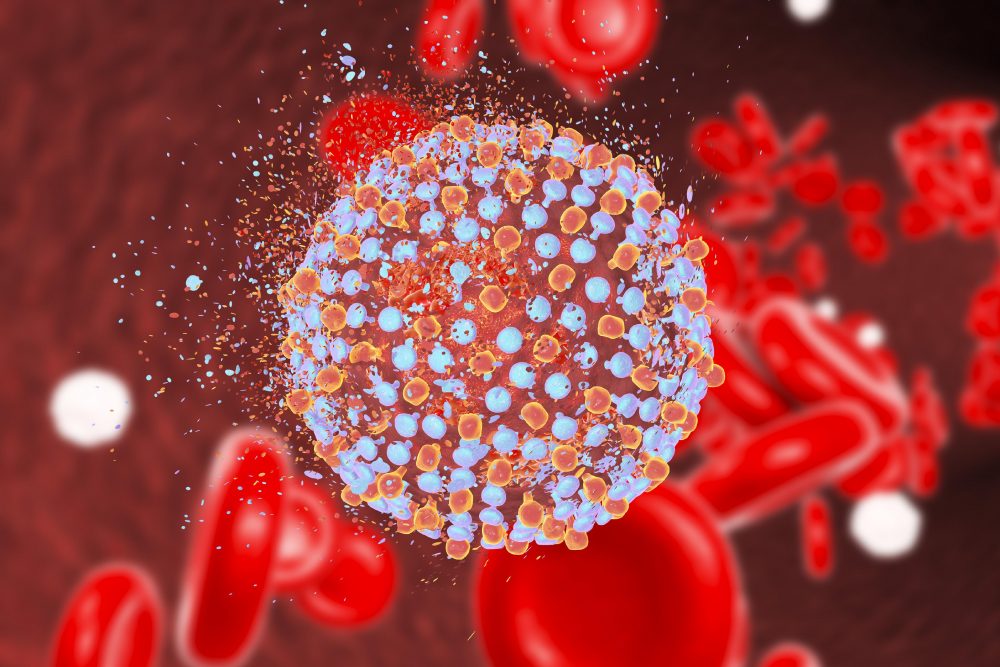
Melioidosis is found in subtropical and tropical regions but curiosly enough, the patients hadn’t travelled internationally before their diagnosis, which is why the CDC was at a loss to define the source of this disease. When the bacterial strains were analysed, it was found that the patients might have been infected from the same source. CDC has theorised that it most likely that the disease came along with an imported product, such as a food item, medicine, or cleaning product.
Andrea Piacquadio/Pexels | It’s time to quit foreign items
Due to the rarity of this disease in the USA, people might be unaware of the symptoms. However, this new infection has the CDC scrambling for answers and a potential cure!